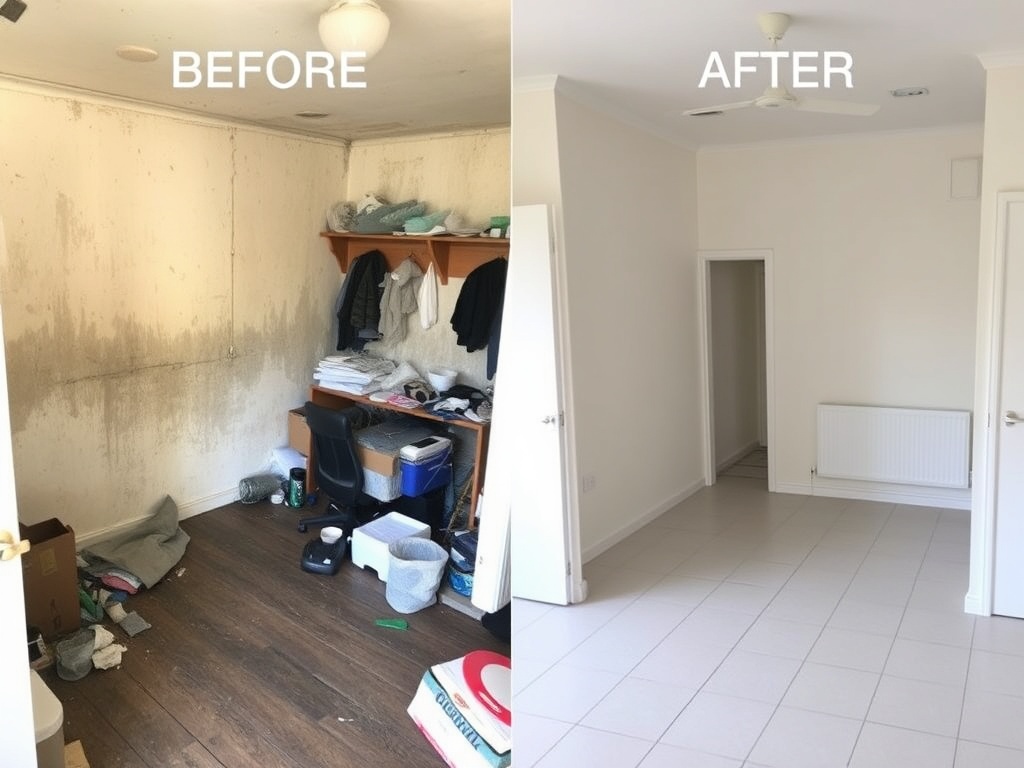
Allergens accumulate in homes despite best efforts, causing respiratory issues and allergies. Allergy-friendly cleaning reduces allergens and creates a healthier environment for sensitive individuals.
Common Household Allergens
Dust Mites
- Where they live: Bedding, upholstered furniture, carpets
- Allergen produced: Dust mite droppings
- Impact: Respiratory irritation, asthma
- Prevention: Regular cleaning and humidity control
- Professional treatment: Steam cleaning removes colonies
Pet Dander
- Source: Dead skin cells from pets
- Location: Everywhere in pet homes
- Triggers: Respiratory symptoms and itching
- Control: Regular pet grooming and cleaning
- Professional solution: Deep carpet cleaning and dander removal
Mold Spores
- Growth areas: Bathrooms, kitchens, basements
- Condition: Moisture and poor ventilation
- Symptoms: Allergies and respiratory issues
- Prevention: Moisture control and ventilation
- Treatment: Professional mold removal
Pollen
- Season: Spring and fall worst
- Entry: Windows, doors, clothing, pets
- Impact: Seasonal allergies
- Reduction: Window cleaning and entrance barriers
- Control: Air filters and ventilation management
Dust and Particulates
- Sources: Outdoor dust, skin cells, fibers
- Accumulation: High-traffic areas and soft surfaces
- Problems: Respiratory irritation
- Solution: Regular vacuuming with HEPA filters
- Deep cleaning: Professional removal of embedded dust
Allergy-Friendly Cleaning Practices
HEPA Filtration
- Standard vacuums: Miss small particles
- HEPA filters: Capture 99.97% of particles
- Importance: Traps allergens instead of recirculating
- Replacement: Frequent filter changes
- Professional equipment: Superior filtration
Damp Cleaning Method
- Dry dusting: Disperses allergens
- Damp cloth: Traps and removes dust
- Microfiber cloth: Effective particle capture
- Technique: More allergen removal
- Frequency: Regular damp dusting helps
Vacuuming Best Practices
- Frequency: Twice weekly for allergic homes
- HEPA filter: Essential for allergy control
- Sealed motor: Prevents allergen escape
- Slow passes: Better particle pickup
- Carpet selection: Low-pile for easier cleaning
Allergen Reduction in Different Areas
Bedroom Priority
- Mattress encasing: Dust mite barrier
- Pillow cases: Allergen protection
- Bedding washing: 130°F+ weekly
- Headboard: Dust and allergen free
- Floor: Hardwood preferred for allergies
- Humidity control: Below 50% prevents mites
Bathroom Management
- Ventilation: Exhaust fan during showers
- Moisture control: Wipe down surfaces
- Mold prevention: Regular inspection
- Grout cleaning: Prevent mold growth
- Products: Non-toxic, low-scent options
Living Areas
- Upholstered furniture: Steam clean quarterly
- Carpet maintenance: HEPA vacuum twice weekly
- Hard floors: Damp mop regularly
- Window treatments: Regular washing
- Air quality: Monitor and improve
Kitchen
- Air circulation: Ventilation during cooking
- Humidity: Control moisture levels
- Surfaces: Clean frequently
- Food storage: Reduce pest allergens
- Waste management: Quick removal
Products Safe for Allergies
Hypoallergenic Cleaners
- Plant-based: Less chemical irritation
- Fragrance-free: Avoid scent sensitivity
- Non-toxic: No harmful chemical exposure
- HEPA compatible: Won’t damage filters
- Testing: Verified for allergic reactions
Recommended Solutions
- Vinegar and water: Safe and effective
- Baking soda: Gentle abrasive, non-toxic
- Castile soap: Plant-based, mild
- Hydrogen peroxide: Natural disinfectant
- Lemon juice: Natural freshness
What to Avoid
- Strong perfumes: Trigger allergies
- Chemical cleaners: Respiratory irritant
- Bleach: Causes irritation
- Aerosol sprays: Distribute particles
- Scented products: Avoid synthetic fragrances
Professional Allergy-Friendly Cleaning
Specialized Services
- Allergen reduction: Focused approach
- HEPA equipment: Professional-grade
- Safe products: Hypoallergenic options
- Humidity control: Moisture management
- Frequency: More frequent service
Deep Cleaning Benefits
- Dust mite removal: Professional-grade equipment
- Pet dander removal: Specialized treatment
- Mold prevention: Moisture management
- Pollen removal: High-volume capture
- Air quality: Significant improvement
Humidity Management
Why It Matters
- Dust mites thrive: At 50%+ humidity
- Mold growth: Requires moisture
- Allergen proliferation: High humidity increases
- Control: Keep below 50%
- Monitoring: Use humidity meter
Methods to Control
- Dehumidifiers: Actively reduce moisture
- Ventilation: Remove humid air
- Air conditioning: Temperature and humidity control
- Moisture barriers: Prevent condensation
- Quick drying: Address spills and wet areas
Air Filtration Systems
HVAC Filters
- Standard filters: Minimal allergen capture
- MERV 13 filters: Better allergen capture
- MERV 16 filters: Maximum allergen removal
- Replacement: Monthly for allergic homes
- Cost: Higher quality filters needed
Air Purifiers
- HEPA purifiers: Capture allergens
- Placement: Bedroom and main living
- Frequency: Run continuously
- Filter replacement: Regular maintenance
- Effectiveness: Supplements cleaning
Pet Allergy Management
Special Precautions
- Pet grooming: Professional grooming reduces dander
- Pet bathing: Weekly reduces shedding
- Dander removal: Professional cleaning
- Furniture cleaning: Steam cleaning removes allergens
- Air purifiers: Capture pet allergens
Bedding Strategies
- Pet exclusion: Keep from bedrooms
- Washable covers: Encases bedding
- Frequent washing: 130°F+ weekly
- Allergen barrier: Physical protection
- Air purification: Bedroom specific
Creating an Allergy-Free Zone
Master Bedroom
- Pet-free: Essential for sleep
- Dust-free: Encased bedding
- Damp dusted: Allergen removal
- Air purified: Continuous filtration
- HEPA vacuumed: Twice weekly
- Result: Better sleep and health
Seasonal Allergen Management
Spring Pollen Season
- Window management: Keep closed on high-pollen days
- Entrance barriers: Mat to remove pollen
- Increased cleaning: More frequent service
- Air filtration: Enhanced during season
- Professional help: More frequent service
Fall Mold Season
- Humidity control: Critical during cool, damp season
- Ventilation: Prevent moisture buildup
- Professional inspection: Check for mold
- HVAC maintenance: Clean ductwork
- Increased cleaning: More frequent attention
Long-Term Allergen Reduction
Professional Schedule
- Bi-weekly cleaning: Maintain cleanliness
- Monthly deep clean: Target allergen areas
- **Quarterly: Professional carpet cleaning
- Semi-annual: HVAC system cleaning
- Annual: Professional air quality assessment
Combined Approach
- Regular DIY: Weekly damp dusting
- Professional service: Bi-weekly or monthly
- Equipment: HEPA vacuum and air purifier
- Products: Hypoallergenic and safe
- Monitoring: Track symptom improvement
Measuring Improvement
Health Indicators
- Symptom reduction: Less sneezing and congestion
- Sleep quality: Better nights sleep
- Energy levels: Increased without allergic fatigue
- Respiratory health: Easier breathing
- Quality of life: Overall improvement
Environmental Testing
- Dust sampling: Allergen level measurement
- Humidity monitoring: Verify moisture control
- Air quality testing: Particle measurement
- Professional assessment: Comprehensive evaluation
- Ongoing monitoring: Track progress
Professional Allergy-Friendly Service
YD Commercial Cleaning offers specialized allergy-friendly cleaning using:
- HEPA-filtration equipment: Professional-grade
- Hypoallergenic products: Safe for sensitive individuals
- Moisture management: Humidity control
- Frequent service: Maintains allergen reduction
- Expert knowledge: Understanding allergen dynamics
Create a healthier home - contact us for allergy-friendly cleaning!